Berberine vs Green Tea Extract for Weight Loss: Key Differences
| Berberine’s role | Studied mainly for supporting healthy, steady sugar metabolism — which can ease craving-driving blood-sugar swings. |
| Green tea’s role | Catechin-rich and traditionally used to support thermogenesis, the body’s natural calorie-burning heat. |
| Do you have to choose? | No. They act on different pathways and are commonly combined. |
| Watch-outs | Berberine can upset digestion; green tea extract has caffeine — blended doses are usually gentler. |
Search “berberine vs green tea extract for weight loss” and you will find passionate fans of each. Berberine has become a social-media darling, while green tea extract has been a staple of metabolism formulas for decades. Both are among the most-studied plant compounds in the weight-management conversation, and both show up on the back of countless bottles. But they are not interchangeable — they act on different parts of the puzzle, and understanding how helps you choose (or realize you may not have to choose at all).
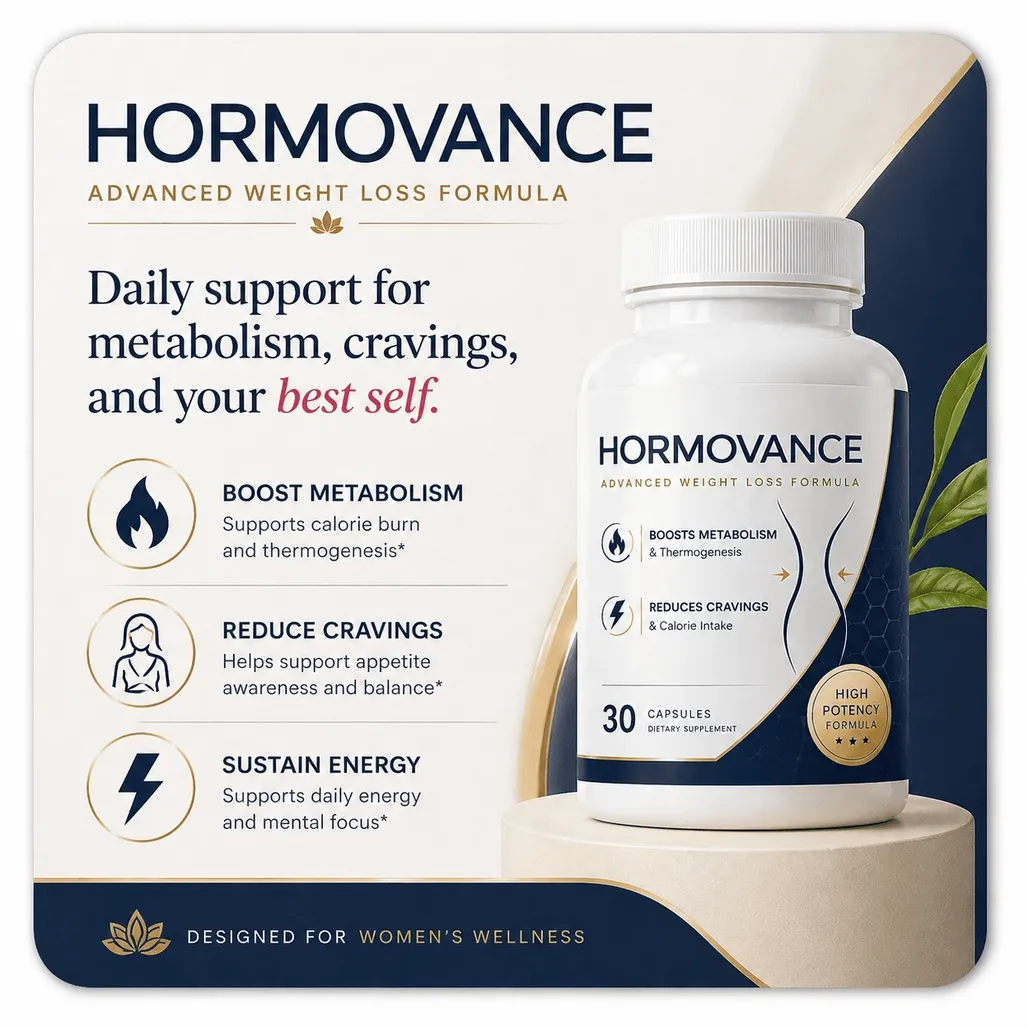
This comparison keeps things honest: no claims that either ingredient burns fat by itself, just a plain look at how each is thought to work, what the research suggests, the side effects to know, and why so many formulas — Hormovance included — carry both.
How berberine is thought to work
Berberine is a bright-yellow alkaloid found in plants such as goldenseal, barberry and Oregon grape, and it has a long history in traditional medicine. In modern research, it is studied mainly for its supportive role in healthy, steady sugar metabolism. Some investigations point to its influence on an enzyme called AMPK, sometimes nicknamed a “metabolic master switch,” which is involved in how cells manage energy.
Why does that matter for weight? Because a lot of overeating is really blood-sugar management in disguise. When everyday sugars are handled more steadily, the sharp spike-and-crash cycle that drives afternoon snacking can soften. That is berberine’s main pitch: not thermogenesis, but steadier metabolic footing that can make cravings quieter. We explore the craving cycle in more depth in our guide to supporting metabolism and curbing cravings after 40.
How green tea extract is thought to work
Green tea extract brings a different mechanism. It is rich in catechins — especially EGCG — and naturally contains some caffeine. Together these are traditionally used to support thermogenesis, the body’s natural production of heat that gently raises calorie burn. The catechin-plus-caffeine pairing is thought to nudge the body toward using energy, which is why green tea has anchored “metabolism” supplements for so long.
Green tea also comes with a long safety track record as a beverage and a large body of research as an extract. The caffeine content is modest compared with a strong coffee, though it is worth noting if you are sensitive. In short: where berberine leans toward steady sugar handling, green tea leans toward gentle thermogenesis.
Berberine vs green tea extract: the key differences
Lined up side by side, the contrast is clear:
- Primary pathway. Berberine → steady sugar metabolism and cellular energy management. Green tea extract → thermogenesis via catechins and caffeine.
- Best-fit goal. Berberine appeals to people whose struggle is blood-sugar swings and cravings. Green tea appeals to people who want gentle, all-day metabolic support.
- Stimulant content. Berberine is stimulant-free. Green tea extract contains caffeine, so timing matters for sensitive people.
- Common side effects. Berberine can cause digestive upset at higher standalone doses; green tea extract can cause jitters or sleep disruption if over-consumed.
Why not have both, in one capsule?
Hormovance combines green tea and berberine with chromium picolinate, cinnamon, Korean ginseng and more — eleven metabolism and appetite actives in one daily capsule, backed by a 60-day money-back guarantee.
See Hormovance Packages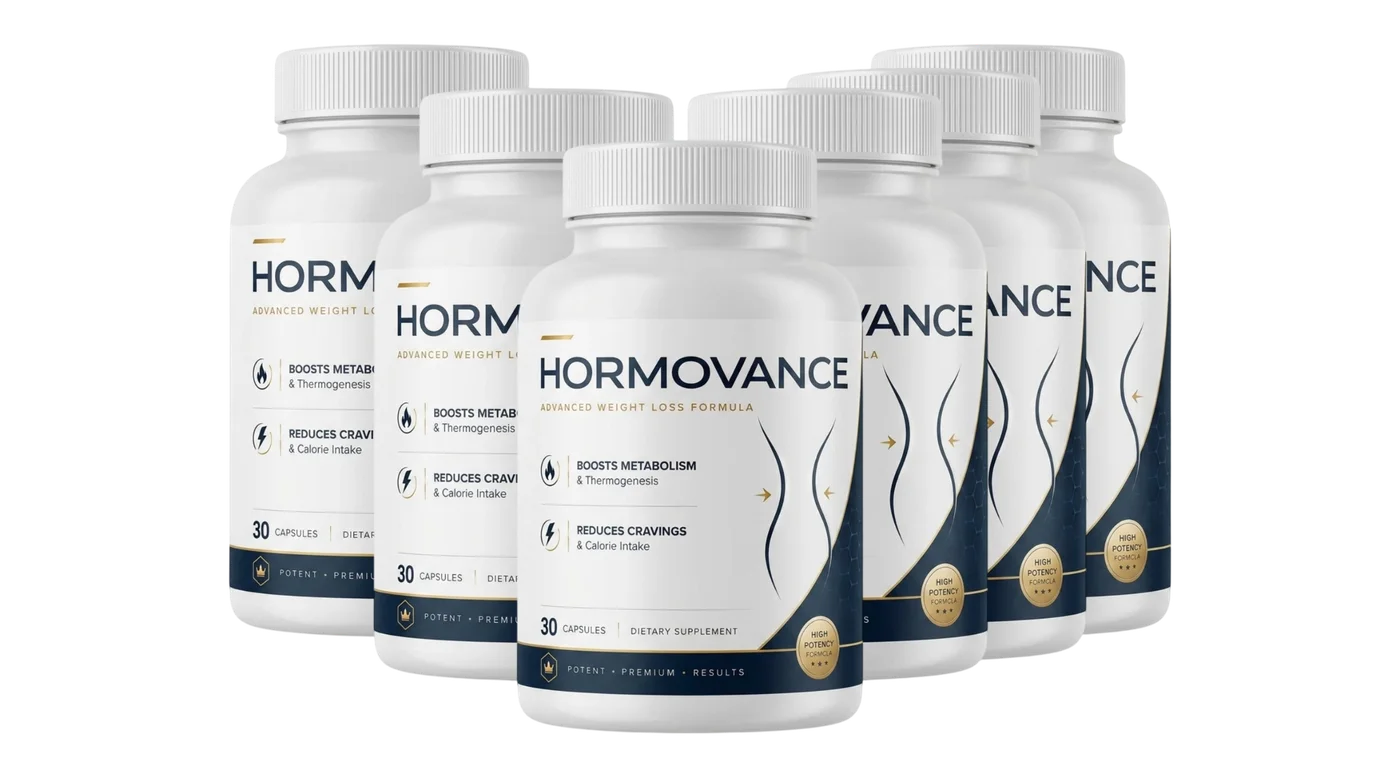
Why you may not have to choose
Here is the part the “versus” framing hides: because berberine and green tea extract work through different pathways, they are natural teammates rather than rivals. Steady sugar handling from berberine and gentle thermogenesis from green tea address two separate levers, and covering both is often more useful than doubling down on one. This is exactly why so many well-built formulas carry both.
Hormovance is one such formula. It folds green tea and berberine into a 510 mg blend of ten botanicals — alongside apple cider vinegar, ginger, cinnamon, bitter orange, cayenne, banaba, Korean ginseng and resveratrol — plus 100 mcg of chromium as chromium picolinate. Buying a single daily capsule that includes both can also be simpler and cheaper than sourcing two separate standalone bottles and remembering to take each. If you want a framework for comparing formulas like this, see how to choose a metabolism support supplement.
Doses, safety and side effects
Standalone berberine is often taken in split doses because larger single doses can cause stomach cramping or loose stools. Green tea extract’s main caution is its caffeine, plus rare reports of liver sensitivity with very high extract doses — a reason to avoid mega-dosing and to favor sensible amounts. Blended formulas typically use moderate, balanced quantities of each, which many people find gentler than a maxed-out single-ingredient product. None of this is medical advice; if you are pregnant, nursing, taking medication or managing a condition, talk with your healthcare provider before starting either ingredient.
Which should a beginner start with?
If you are new to metabolism supplements and want to trial just one ingredient first, let your main obstacle decide. If your biggest struggle is relentless afternoon cravings and the snack-crash cycle, berberine’s focus on steady sugar handling may be the more logical starting point. If instead you feel generally sluggish and want gentle, all-day metabolic support, green tea extract’s catechin-and-caffeine profile fits better — just take it earlier in the day if caffeine affects your sleep.
That said, single-ingredient trials have a hidden cost: you learn about one lever while the other sits untouched, and you may end up buying a second bottle a month later anyway. Many people find it simpler and cheaper to start with a balanced formula that already contains both at sensible doses, then judge the overall effect rather than trying to isolate one compound. A blend also spares you the guesswork of stacking two standalone products at the right amounts and times.
The bottom line
In the berberine vs green tea extract for weight loss debate, there is no single winner because they are not playing the same position. Berberine supports steady sugar metabolism and calmer cravings; green tea extract supports gentle thermogenesis and all-day metabolic activity. If you must pick one, choose based on whether cravings or a sluggish metabolism is your bigger obstacle. But for most people, a formula that thoughtfully combines both — like the once-daily capsule on the Hormovance homepage — is the more practical answer.
Frequently asked questions
Is berberine or green tea extract better for weight loss?
They work through different pathways, so “better” depends on your goal. Berberine is studied mainly for its supportive role in healthy, steady sugar metabolism, which can help with the blood-sugar swings behind cravings. Green tea extract is rich in catechins and is traditionally used to support thermogenesis — the body’s natural calorie-burning heat. Many people benefit from both, which is why formulas often combine them rather than force a choice.
Can you take berberine and green tea extract together?
Yes, they are commonly combined in metabolism formulas because their traditional roles complement each other — steady sugar handling from berberine and gentle thermogenesis from green tea. Hormovance includes both alongside chromium and other botanicals in one daily capsule. As always, check with your healthcare provider if you take medication or manage a health condition.
What are the side effects of berberine and green tea extract?
Berberine can cause digestive upset such as cramping or loose stools, especially at higher standalone doses. Green tea extract contains caffeine, so large amounts may cause jitters or disturbed sleep in sensitive people. Blended, lower-dose formulas are often gentler than mega-dosed single-ingredient products. Discontinue and consult a professional if anything feels off.
Does green tea extract have caffeine?
Yes, green tea extract naturally contains some caffeine along with its catechins, though usually far less than a strong coffee. If you are caffeine-sensitive, take it earlier in the day and favor a formula that uses a modest, balanced amount rather than a high-stimulant fat burner.
Does Hormovance contain both berberine and green tea?
Yes. Both berberine and green tea are part of the 510 mg botanical blend in Hormovance, alongside chromium picolinate and eight other actives, in a single once-daily capsule — so you cover both pathways without buying two separate products.
About the Hormovance Research Team
The Hormovance Research Team is an independent group of nutrition and content specialists who translate ingredient science into plain, practical guidance. We describe berberine, green tea and every other active by their traditional and general use rather than making medical claims, and we favor balanced, honest comparisons over hype. Our aim is to help you understand what each ingredient actually does before you spend a dollar.
References
- Yin J, Xing H, Ye J. “Efficacy of berberine in patients with type 2 diabetes.” Metabolism, 2008.
- Hursel R, Westerterp-Plantenga MS. “Catechin- and caffeine-rich teas for control of body weight in humans.” American Journal of Clinical Nutrition, 2013.
- Hu J, et al. “Berberine and metabolic regulation via AMPK.” Frontiers in Pharmacology, 2018.
- Office of Dietary Supplements, NIH. “Dietary Supplements for Weight Loss — Health Professional Fact Sheet.” National Institutes of Health, accessed 2026.
† These statements have not been evaluated by the FDA. This product is not intended to diagnose, treat, cure or prevent any disease. This article is for general information only and is not medical advice.