Capsule vs Gummy Weight-Loss Supplement: Which Format Wins?
| Capsules win on | No added sugar, more actives per serving, easy consistency, lower cost per active. |
| Gummies win on | Taste and needing no water — helpful if that is what keeps you consistent. |
| The catch with gummies | Added sugar and fewer actives per piece. |
| Best default | For weight management, a no-sugar capsule — like the once-daily Hormovance. |
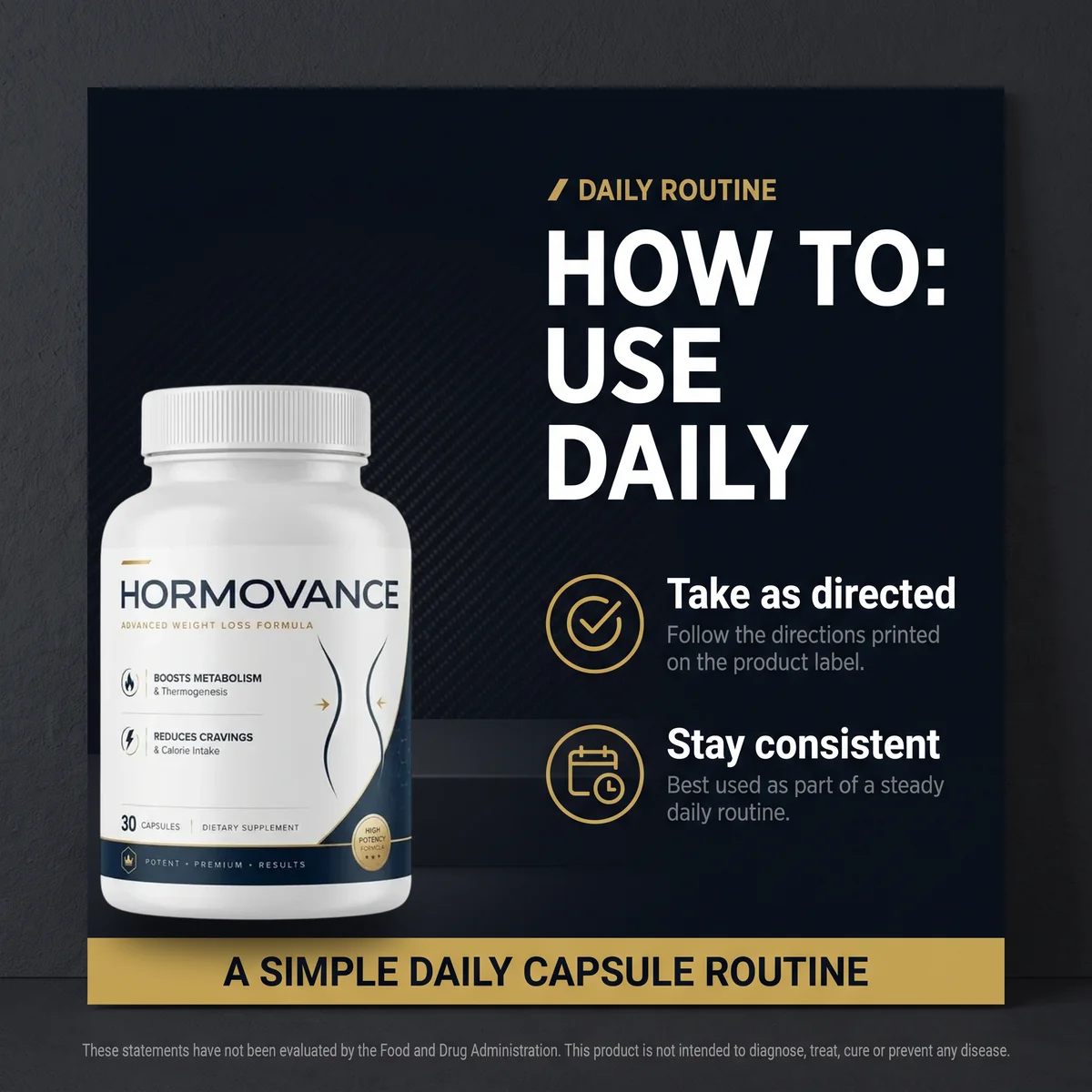
When people ask which is the best capsule vs gummy weight-loss supplement format, they usually imagine it is a small, cosmetic choice. It is not. The delivery format quietly shapes how much active ingredient you get, how much sugar you swallow, how consistent you stay, and how much you pay per useful dose. Get the format right and the same ingredients work harder for your goal; get it wrong and a tasty treat can undercut the very thing you bought it for.
This buying guide compares the two formats across the factors that actually matter for weight management, then gives you a simple rule for choosing. As always, no format melts fat on its own — but the right one makes it easier to support your metabolism and appetite day after day.
Dosing: how much active ingredient fits
The first real difference is capacity. A gummy has to be soft, chewable, sweet and shelf-stable, and all of those requirements eat into the space available for active ingredients. That is why gummies often carry fewer actives, or lower doses, than a capsule of similar size. Vinegar and some botanicals also taste unpleasant, which further limits how much a palatable gummy can hold.
Capsules have no such constraint. Because you swallow them, they can pack more active ingredient — and more different ingredients — into one serving without worrying about flavor. Hormovance, for example, fits eleven metabolism and appetite actives into a single daily capsule: 100 mcg of chromium as chromium picolinate plus a 510 mg blend of ten botanicals. Matching that spread in gummy form would take several sweet pieces a day.
The sugar problem with gummies
This is the factor most shoppers underestimate. To taste good, gummies are typically sweetened with sugar, glucose syrup or sugar alcohols. Two gummies a day may seem trivial, but across a month it becomes a steady, unplanned drip of sugar and carbohydrates — exactly what someone managing their weight is usually trying to cut. It is a quiet irony: a product bought to support weight goals can add the very thing working against them.
Capsules sidestep this entirely. There is nothing to make palatable, so a well-made capsule adds no sugar at all. If you are watching sugar or calories, that alone can settle the capsule vs gummy weight-loss supplement question. For more label traps like this one, see our guide on how to choose a metabolism support supplement.
The no-sugar, once-daily capsule
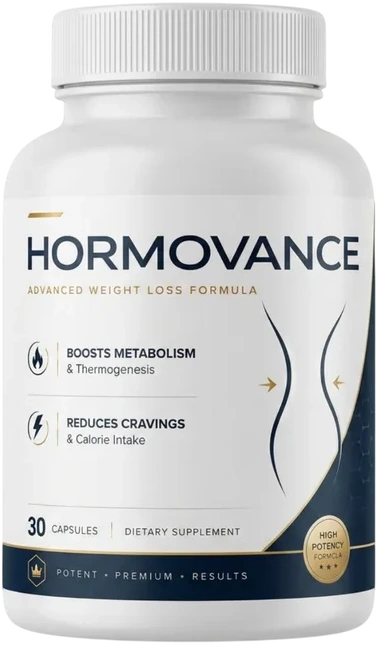
Hormovance packs eleven metabolism and appetite actives into one capsule a day — no chewing, no added sugar, no mixing — backed by a 60-day money-back guarantee. See the current multi-bottle packages.
See Hormovance Packages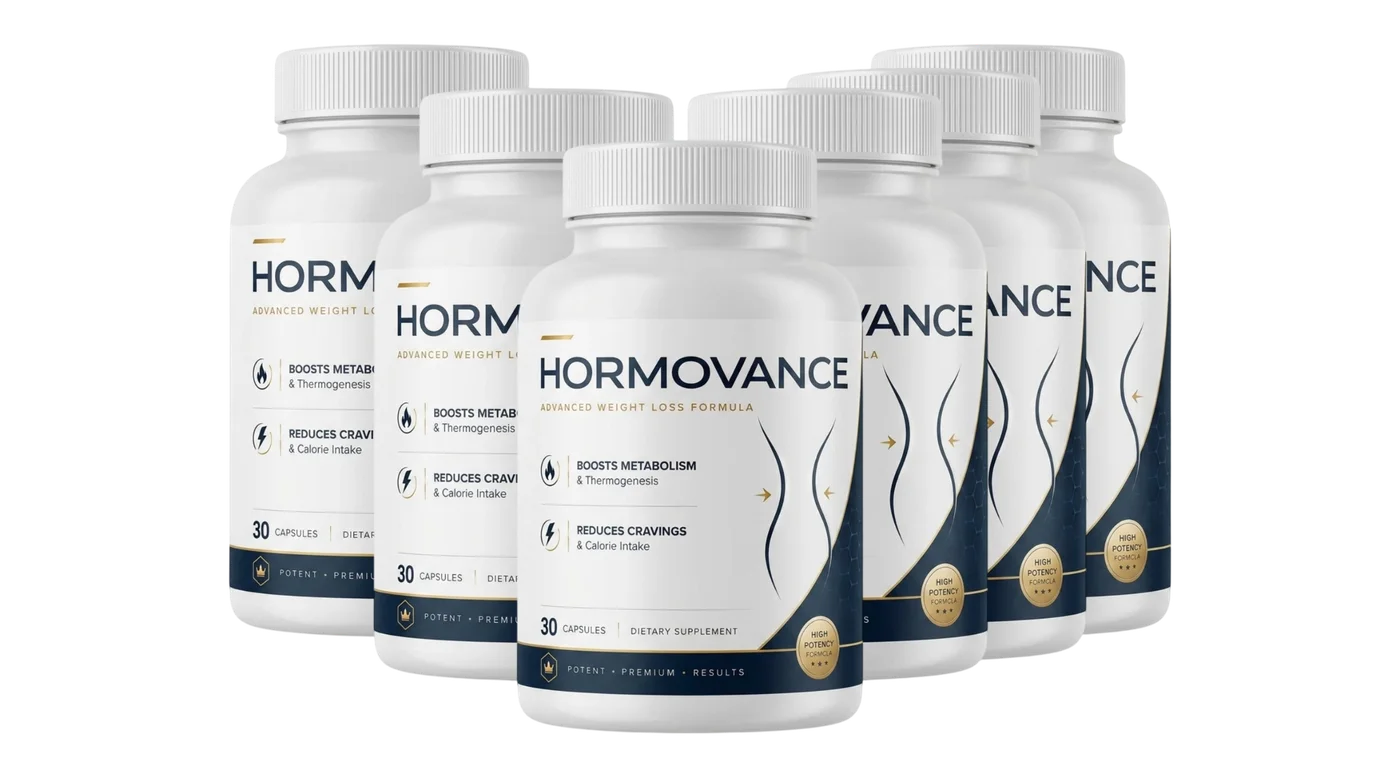
Convenience and consistency
Gummies have one clear advantage: they need no water and taste good, which some people find genuinely helpful for building a habit. But that same pleasantness has a downside — a jar of tasty gummies invites “just one more,” and portion creep with a sweetened supplement is a real thing. Capsules are neutral; you take your one dose and there is no temptation to nibble.
Consistency is where the winner is often decided, because a supplement only helps if you take it daily for weeks. A once-daily capsule is easy to remember, easy to travel with, and does not melt in a warm bag the way gummies can. If your honest answer is that you will only stay consistent with something that tastes like candy, a gummy may still be right for you — but for most weight-focused shoppers, a single daily capsule is the more reliable habit. We cover why weeks-not-days consistency matters in supporting metabolism and curbing cravings after 40.
Cost per useful dose
On the shelf, gummies and capsules can look similarly priced, but the fair comparison is cost per useful dose. If a gummy carries fewer actives, you may need more pieces — or a separate product — to match a single multi-ingredient capsule, which changes the math. A capsule that combines several ingredients you would otherwise buy separately can be the better value even at a higher sticker price. Multi-bottle capsule packages lower the per-bottle cost further, as you can see on the pricing section.
Shelf life, storage and stability
One factor shoppers rarely weigh is how each format holds up over the weeks it takes to finish a bottle. Gummies are moisture-rich and heat-sensitive: leave them in a warm car or a summer gym bag and they can melt, clump together or dry out, and some actives degrade faster in that softer, wetter matrix. That is part of why gummies often carry preservatives and why their potency can drift by the end of a jar.
Capsules are comparatively rugged. A dry powder sealed in a capsule tolerates a desk drawer, a travel case or a carry-on far better, and it does not stick together or lose its shape in the heat. For anyone who travels, commutes, or simply wants a supplement that survives real life, that durability is a quiet but real point in the capsule’s favor — and it protects the dose you actually paid for.
When a gummy still makes sense
To be fair to gummies: if you struggle to swallow capsules, if a pleasant ritual is the only thing that will keep you consistent, or if you want a single simple ingredient and do not mind a little sugar, a gummy can be a perfectly reasonable choice. Format should serve your real behavior, not an ideal version of it. The best supplement is still the one you will actually take. If you are specifically weighing apple cider vinegar options, our comparison of Hormovance vs apple cider vinegar gummies digs into that exact trade-off.
The bottom line
For weight management, the capsule vs gummy weight-loss supplement decision usually favors the capsule: no added sugar, more actives per serving, no portion creep, and easy day-after-day consistency. Gummies keep their place for people who need taste to stay on track or who want just one simple ingredient. If you want broad daily support with none of the sugar, a once-daily capsule like the one on the Hormovance homepage is built exactly for that job.
Frequently asked questions
Are capsules or gummies better for a weight-loss supplement?
Capsules are generally the better fit for weight management because they carry no added sugar, can hold more active ingredients per serving, and are easy to take consistently. Gummies win on taste and needing no water, but they usually add sugar and hold fewer actives. If enjoyment is the only thing that will keep you consistent, a gummy can still be the right pick — but for most weight-focused shoppers a capsule is the smarter default.
Do gummy supplements have less active ingredient than capsules?
Often, yes. A gummy’s size and the need to bind, sweeten and flavor it limit how much active ingredient it can carry, so gummies tend to hold fewer or lower-dose actives than a capsule of the same size. A capsule such as Hormovance can fit eleven metabolism and appetite actives into one serving.
Is the sugar in gummies a problem for weight loss?
It can be. Many gummies add sugar or sugar alcohols to taste good, and taking two a day adds up over a month. For someone watching sugar and calories, that quiet addition works against the goal, which is a key reason capsules are often preferred for weight management.
What format is Hormovance?
Hormovance is a once-daily capsule — no chewing, no added sugar, no mixing. Each capsule delivers chromium picolinate plus a 510 mg blend of ten botanicals, taken with a meal, which keeps the routine simple and sugar-free.
Can I open a capsule if I cannot swallow it?
Some people open capsules and mix the contents into food or a drink, though taste and absorption can vary and it is best to follow the label or ask your healthcare provider. If swallowing capsules is a persistent barrier, that is one of the few cases where a gummy or powder may suit you better.
About the Hormovance Research Team
The Hormovance Research Team is an independent group of nutrition and content specialists focused on the practical side of supplement shopping — formats, labels, sugar, dosing and consistency. We compare options honestly, describe ingredients by their traditional or general use, and never claim a format cures anything. Our goal is to help you choose the delivery format you will actually stick with.
References
- U.S. Food & Drug Administration. “Added Sugars on the Nutrition Facts Label.” FDA Consumer Resources, accessed 2026.
- Office of Dietary Supplements, NIH. “Dietary Supplements: Background Information.” National Institutes of Health, accessed 2026.
- Comerford KB. “Recent developments in multivitamin/mineral research and delivery formats.” Advances in Nutrition, 2013.
- Federal Trade Commission. “Health Products Compliance Guidance.” FTC Business Guidance, 2022.
† These statements have not been evaluated by the FDA. This product is not intended to diagnose, treat, cure or prevent any disease. This article is for general information only and is not medical advice.