Weight Loss Pills vs Injections: How Do They Compare?
| Different categories | Injections are prescription medications; most weight-loss pills are over-the-counter dietary supplements. |
| Access | Injections need a clinician and prescription; supplements are bought without one. |
| Oversight | Prescription routes require medical supervision; supplements support diet and lifestyle on your own. |
| This is a doctor conversation | Whether a prescription option is right for you is decided with a healthcare professional, not a supplement label. |
Interest in weight loss pills vs injections has exploded, largely because prescription injections have dominated headlines. Naturally, shoppers want to understand how those medical options compare with the pills and capsules they can pick up without a prescription. It is a fair and important question — but it comes with a big caveat we want to state plainly up front: these are two fundamentally different categories, and this article is general information, not medical advice. Whether a prescription treatment is appropriate for you is a decision only you and a qualified healthcare professional can make.
With that firmly established, understanding the differences can help you have a more informed conversation and set realistic expectations. Let us compare the two on the things people actually ask about: what they are, how you get them, what they cost, how they feel to use, and where an everyday supplement like Hormovance fits into the picture.
The most important difference: category
Before anything else, understand what each thing is, because everything else follows from it.
Prescription weight-loss injections are FDA-approved medications. A licensed clinician evaluates whether you meet specific medical criteria, prescribes them, and monitors your use. They act through defined pharmacological mechanisms and are used within a medical framework, with professional oversight of dosing and side effects.
Over-the-counter weight-loss pills, including capsules like Hormovance, are usually dietary supplements. They are not medications. They provide botanicals and nutrients intended to support a healthy diet and lifestyle — everyday metabolism, cravings and energy — and they are regulated as supplements, not drugs. You buy them without a prescription, and they are designed to complement your routine, not to treat a medical condition.
Mixing these two up is the single most common confusion in this whole topic. A supplement is not a weaker version of a prescription drug; it is a different kind of product with a different purpose and a different set of rules.
How you get each one
Access is the most visible practical difference. An injection route begins with a clinical appointment, an evaluation of your eligibility, a prescription, and ongoing check-ins — a medical relationship, not a checkout. A dietary supplement is simply purchased, typically online or in a store, and started at home as part of your daily habits. Neither path is automatically “better”; they suit very different situations and people.
Cost and commitment
Prescription options generally involve medication costs, clinical visits and, often, insurance questions that vary enormously from person to person and place to place. Over-the-counter supplements are usually far less expensive per month and carry none of the clinic overhead, which is a large part of why so many people begin with a daily supplement to support their diet and movement. If you are weighing how much to invest in a supplement specifically, our guide on how many bottles of a weight-loss supplement to buy breaks down supply, timelines and per-bottle value.
An over-the-counter daily supplement, no prescription needed
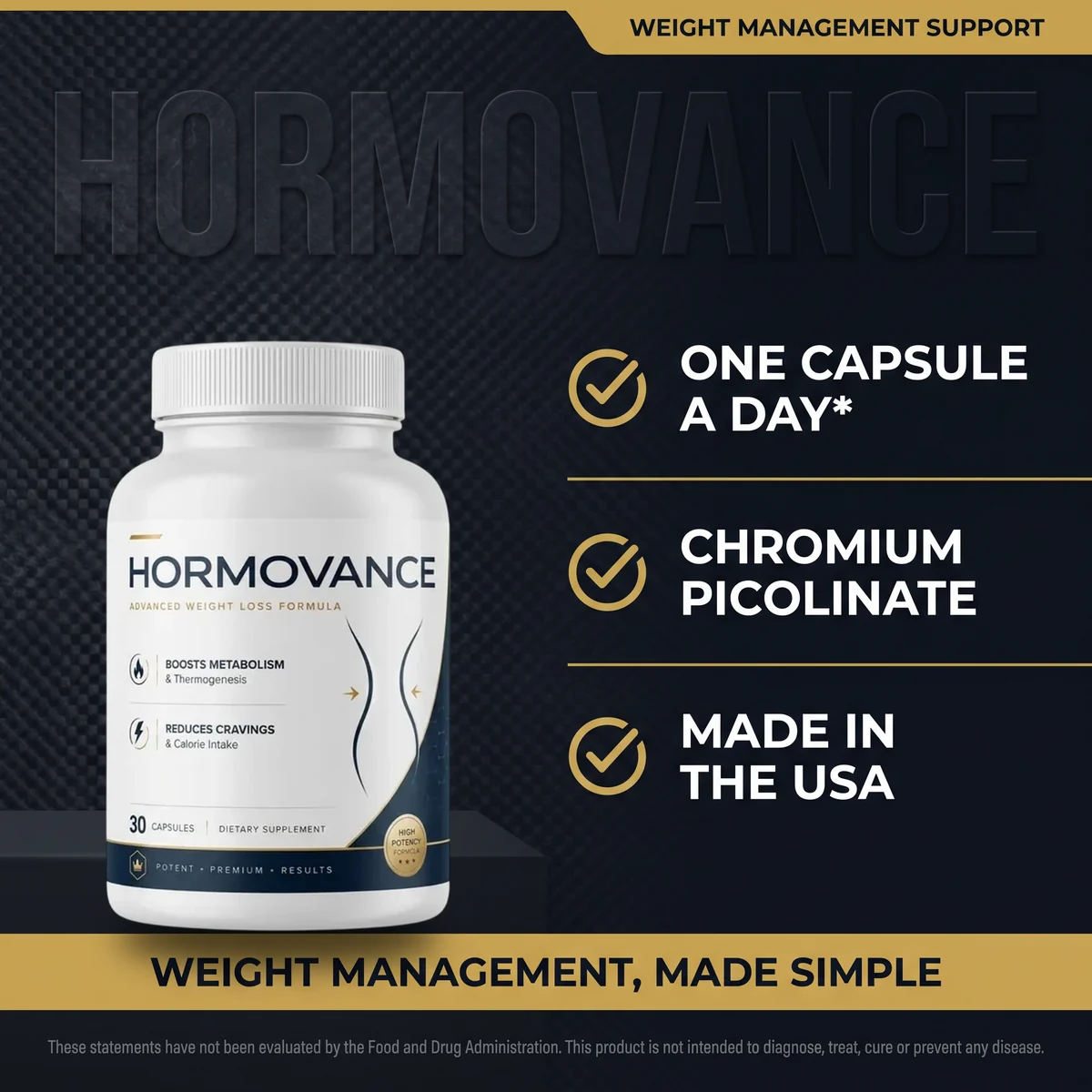
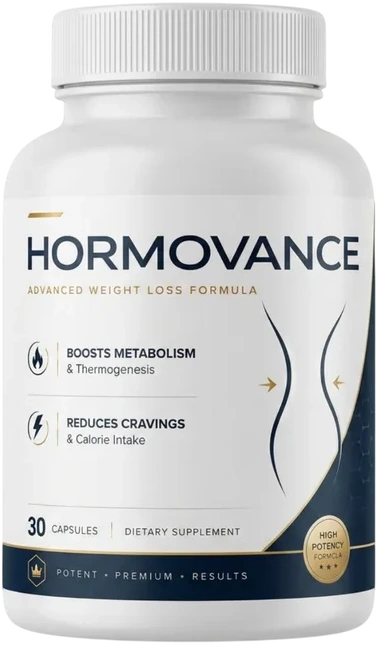
Hormovance is a once-daily, over-the-counter capsule with eleven metabolism and appetite actives — chromium picolinate plus a 510 mg botanical blend — made to support your diet and lifestyle, backed by a 60-day money-back guarantee. See the current multi-bottle packages.
See Hormovance Packages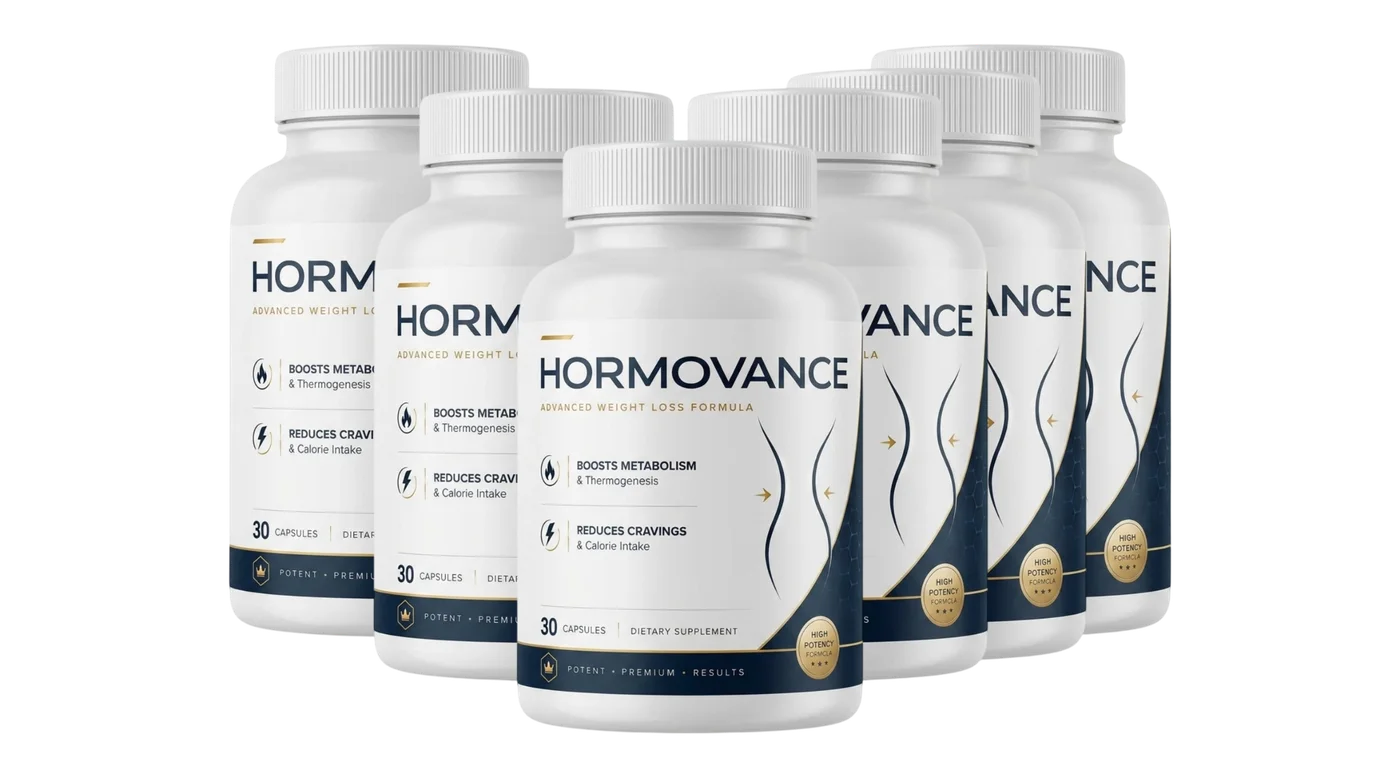
Side effects and supervision
Because injections are medications, they carry medication-level considerations and are used under professional supervision precisely so a clinician can watch for and manage side effects. Dietary supplements have their own considerations too — they are not risk-free, and some ingredients can interact with medications — but they are generally used without clinical monitoring. That makes it your responsibility to read the label, follow the directions, and check with a pharmacist or doctor if you take other medicines. We cover this ground thoroughly in our overview of whether metabolism supplements are safe, including who should ask a professional first.
Everyday fit and experience
The two also feel very different in daily life. An injection route is a structured medical protocol. A supplement is a small, quiet habit — for Hormovance, one capsule with water each morning, folded into a routine you already have. For people who want low-friction, everyday support that sits alongside their eating and activity rather than a clinical program, the simplicity of a daily capsule is a genuine advantage. It is worth remembering that a supplement is meant to support your habits, so diet and movement remain the foundation either way.
Where Hormovance fits in this comparison
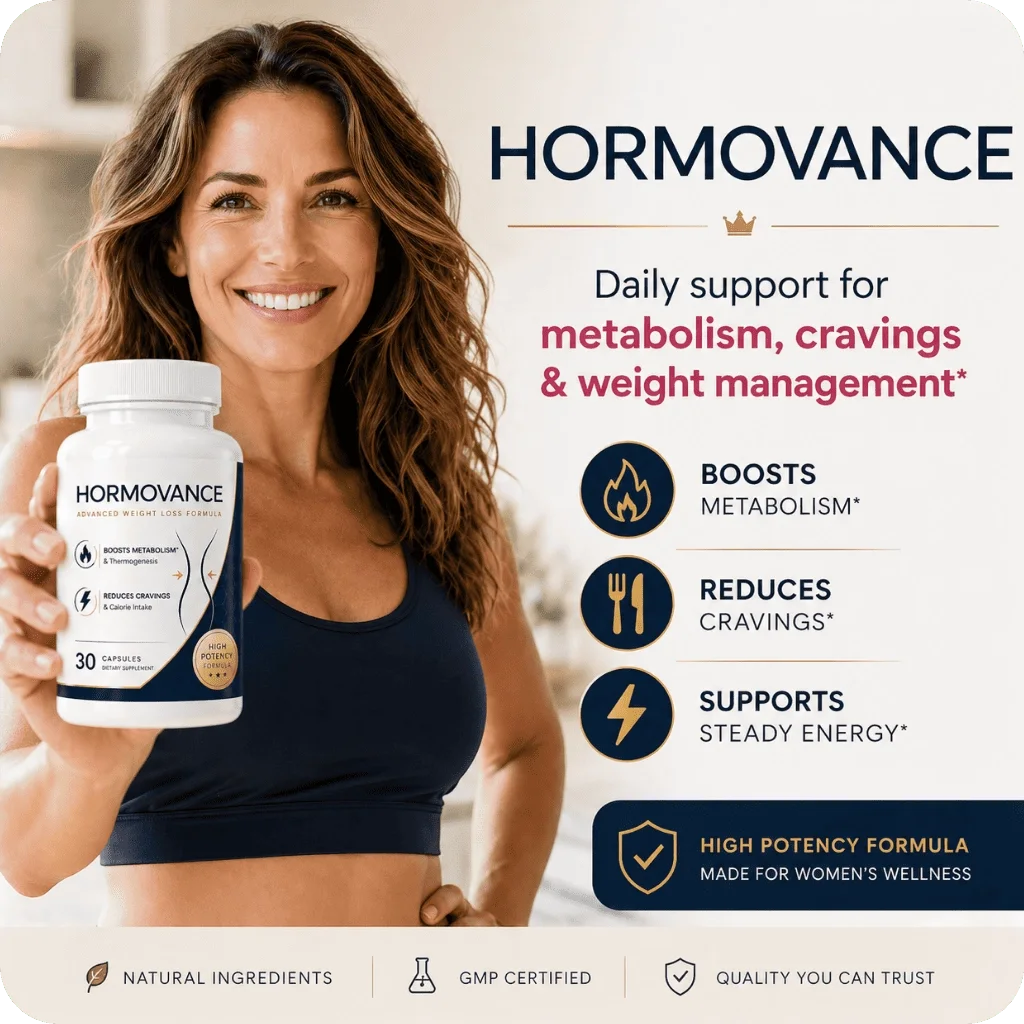
Hormovance is firmly in the over-the-counter supplement category. It is a once-daily capsule with eleven metabolism and appetite actives — 100 mcg of chromium picolinate (286% Daily Value) plus a 510 mg blend of green tea, apple cider vinegar, berberine, ginger, cinnamon, bitter orange, cayenne, banaba, Korean ginseng and resveratrol — designed to support everyday metabolism, cravings and steady energy as part of a healthy lifestyle. It is not a medication and is not a substitute for any prescription treatment your doctor might recommend. What it offers is an accessible, no-prescription daily aid for people who want to support their own diet-and-movement efforts. If you want to judge whether it is a fit for you, our honest take on whether Hormovance is worth it and the full ingredient panel on the Hormovance homepage are the best places to start.
The bottom line
Weight loss pills vs injections is not really a fair head-to-head, because they are different kinds of things: one a supervised prescription medication, the other an over-the-counter dietary supplement meant to support a healthy routine. Injections belong to a medical decision made with a clinician. Supplements like Hormovance are for people who want accessible, everyday support alongside their diet and activity, without a prescription. Choose based on your situation and, if a medical option is on your mind, have that conversation with a healthcare professional — no article and no supplement label can make that call for you.
Frequently asked questions
What is the main difference between weight loss pills and injections?
The most important difference is category. Prescription weight-loss injections are FDA-approved medications a licensed clinician prescribes and monitors for people who meet specific medical criteria. Over-the-counter weight-loss pills are usually dietary supplements you can buy without a prescription; they are not medications and are meant to support a healthy diet and lifestyle, not to treat a medical condition. They are regulated differently and used in very different circumstances.
Are supplement pills the same as prescription weight-loss drugs?
No. A dietary supplement like Hormovance is not a drug and does not work the way a prescription medication does. Supplements provide botanicals and nutrients intended to support everyday metabolism, cravings and energy alongside diet and movement. Prescription medications and injections act through defined pharmacological mechanisms and require medical supervision. Deciding whether a prescription option is appropriate is a conversation for you and your doctor, not something a supplement can replace.
Do I need a prescription to buy a weight-loss supplement?
Generally no. Dietary supplements such as Hormovance are sold over the counter and do not require a prescription. That accessibility is one reason many people start with a daily supplement to support their diet and lifestyle. Even so, if you take medication or have a health condition, it is wise to check with a pharmacist or doctor before adding any new supplement.
Can I take a metabolism supplement instead of an injection?
They are not interchangeable, and this is a decision to make with a healthcare professional. Prescription injections are medical treatments prescribed for specific situations; a metabolism-support supplement is a non-drug daily aid meant to complement healthy eating and activity. If a clinician has recommended a prescription option for you, a supplement is not a substitute. Many people who are not candidates for, or do not want, a prescription route simply use a supplement to support their everyday routine.
Which is more affordable?
Over-the-counter supplements are typically far less expensive per month than prescription medications, and they do not require clinic visits or a prescription. That lower cost and easy access are part of their appeal for everyday support. Prescription injections involve medication costs, clinical oversight and, often, insurance considerations, which vary widely by person and region.
About the Hormovance Research Team
The Hormovance Research Team is an independent group of nutrition and content specialists who explain weight-management options the way a careful shopper would want them explained. We keep supplement and prescription categories clearly separate, describe every ingredient by its traditional or general use, and steer medical decisions back to qualified professionals. Our goal is to give you honest context — not to blur the line between a daily supplement and a medical treatment.
References
- U.S. Food & Drug Administration. “Dietary Supplements: What You Need to Know.” FDA Consumer Resources, accessed 2026.
- U.S. Food & Drug Administration. “Prescription Weight-Loss Drugs — Consumer Information.” FDA, accessed 2026.
- Office of Dietary Supplements, NIH. “Dietary Supplements for Weight Loss — Fact Sheet for Consumers.” National Institutes of Health, accessed 2026.
- Federal Trade Commission. “Health Products Compliance Guidance.” FTC Business Guidance, 2022.
† These statements have not been evaluated by the FDA. This product is not intended to diagnose, treat, cure or prevent any disease. This article is for general information only and is not medical advice; talk with a qualified healthcare professional about any prescription treatment.