Chromium vs Berberine for Weight Management: Which Should You Pick?
| Chromium | An essential trace mineral (often chromium picolinate) traditionally linked to normal metabolism and sugar handling. |
| Berberine | A plant compound traditionally associated with metabolic wellness and the body’s normal handling of sugars. |
| Not really rivals | They work on overlapping territory, which is why many formulas include both. |
| Both beats either | A formula pairing chromium and berberine spares you the choice — and adds more actives besides. |
When people research ingredients for their weight-management routine, two names come up again and again, and shoppers often frame them as opponents: chromium vs berberine for weight management. One is a mineral, the other a botanical, and both have loyal followings. But treating them as an either/or misunderstands what they are. This comparison explains how each works in plain language, what each traditionally supports, the side effects worth knowing, and why the smartest answer for most people is usually “both, in one formula.”
As always, a grounding truth first: neither chromium nor berberine is a weight-loss miracle, and no single ingredient melts fat on its own. What each can do is support aspects of the metabolic machinery, so your diet and movement meet a little less resistance. With expectations set sensibly, here is how the mineral and the botanical actually compare.
What chromium is and what it does
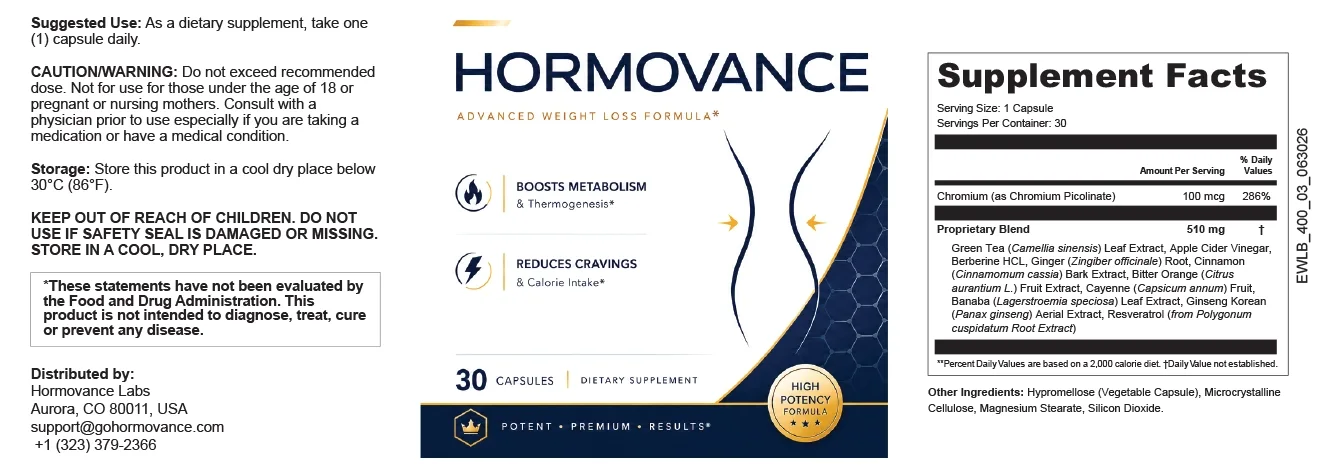
Chromium is an essential trace mineral — your body genuinely needs it, in very small amounts, and cannot make it itself. In supplements it most often appears as chromium picolinate, a well-absorbed form. Traditionally, chromium is associated with supporting normal macronutrient metabolism and the body’s everyday handling of sugars, which is why it turns up so often in metabolism-support formulas. Because it is a recognised nutrient, it carries a Daily Value: Hormovance, for instance, lists chromium at 100 mcg, or 286% DV, right on the panel.
The nutrient status is chromium’s defining feature. You are not adding an exotic compound; you are topping up a mineral your metabolism uses anyway. That also makes it generally well tolerated at typical supplement amounts, which is part of its enduring popularity.
What berberine is and what it does
Berberine is a different animal — a bioactive plant compound, a bitter yellow alkaloid found in botanicals such as barberry, goldenseal and Oregon grape. It is one of the more heavily studied botanicals in this space and is traditionally associated with metabolic wellness and supporting the body’s normal handling of sugars. Unlike chromium, it is not a nutrient your body requires; it is a botanical extract, dosed in milligrams, that people add specifically for its traditional metabolic associations.
Because berberine is more potent as a botanical, it also comes with a few more usage notes: it can cause digestive upset for some people and may interact with certain medications, particularly those affecting blood sugar. For a deeper look at how berberine stacks up against another popular botanical, see our comparison of berberine vs green tea extract for weight loss.
Chromium vs berberine: the honest comparison
Set side by side, the differences are more about type than about a winner.
Category
Chromium is a mineral nutrient with a Daily Value; berberine is a botanical extract dosed in milligrams. That single distinction explains most of the others — how they are measured, how they are regulated on a label, and how you think about “enough.”
What they traditionally support
Here the two genuinely overlap. Both are associated with the body’s normal handling of everyday sugars and with metabolic support. That overlap is exactly why framing them as rivals is misleading: they are more like teammates covering nearby ground than opponents fighting over the same square.
Tolerability
Chromium at normal supplement doses is usually very well tolerated. Berberine is generally well tolerated too, but is a little more likely to cause digestive complaints and carries more interaction considerations. Neither is risk-free, and our guide to whether metabolism supplements are safe covers the precautions and who should check with a professional first.
Why choose? Get chromium and berberine together
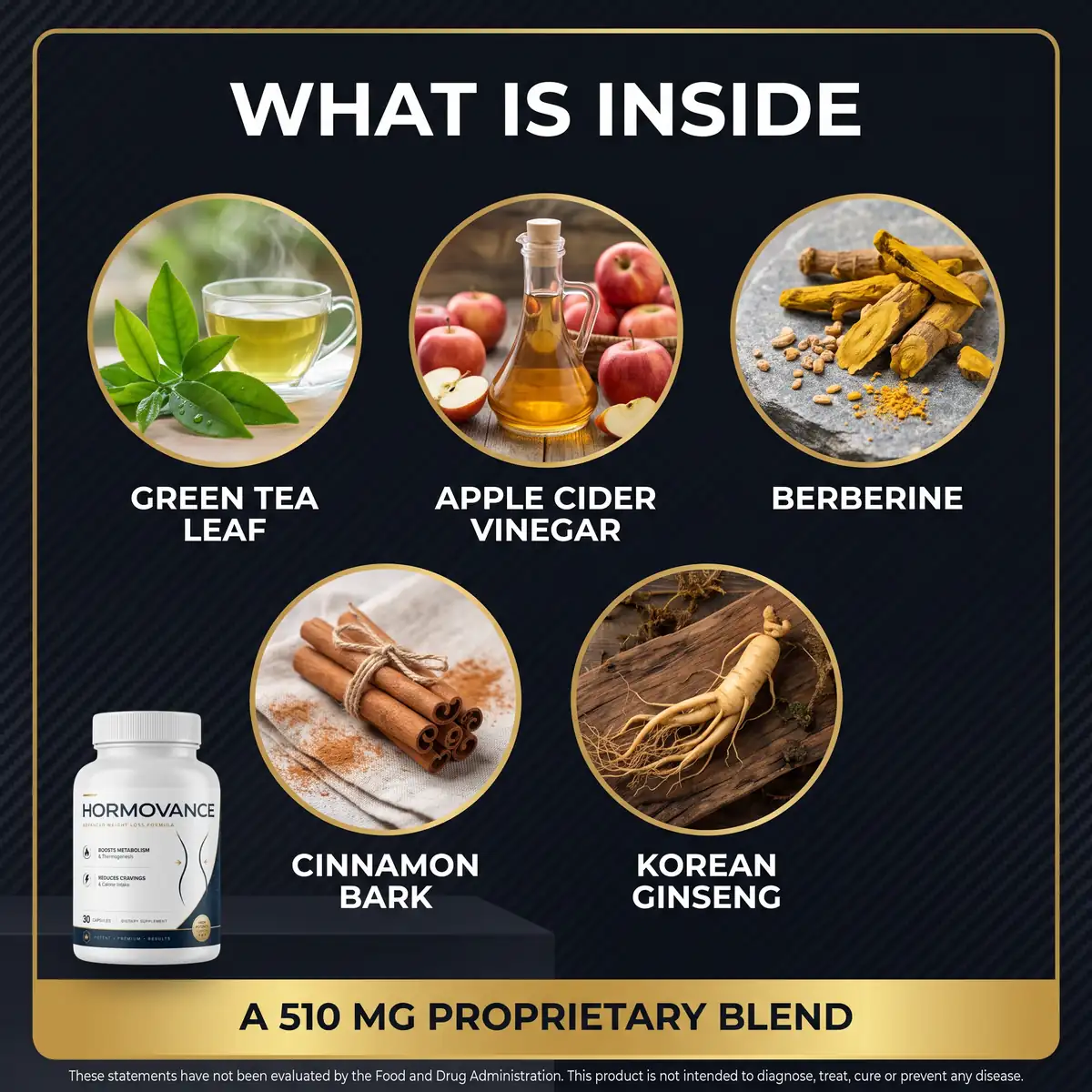
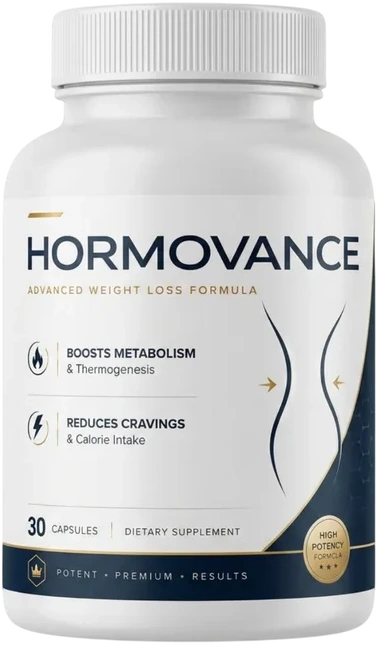
Hormovance pairs 100 mcg of chromium picolinate with berberine inside a 510 mg botanical blend — eleven actives in one no-sugar capsule a day, backed by a 60-day money-back guarantee. See the current multi-bottle packages.
See Hormovance Packages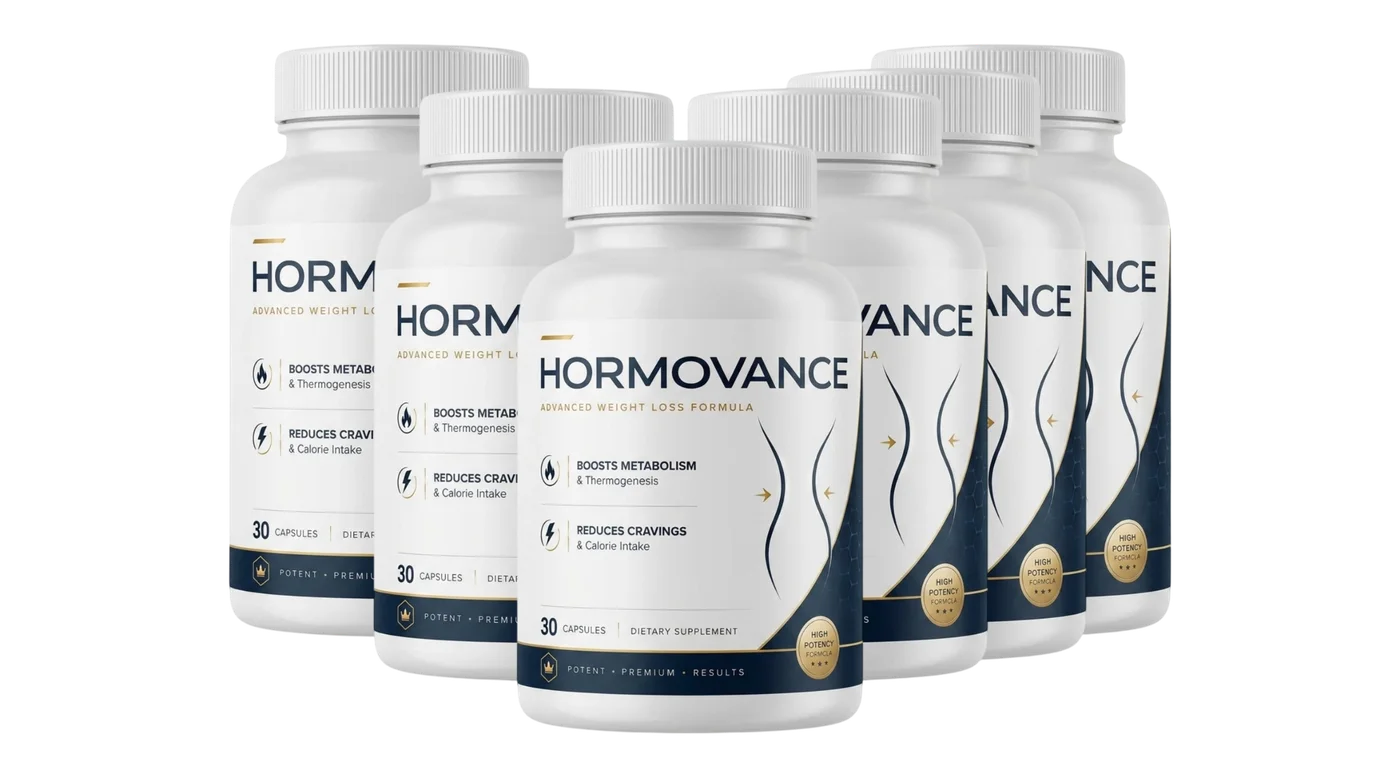
Why a formula with both usually wins
Once you see that chromium and berberine cover overlapping but not identical ground, the “which should I pick” question mostly dissolves. If they were truly interchangeable, choosing one would be fine. Because they are not — a mineral nutrient and a botanical, each with its own traditional associations — having both gives you broader coverage than either alone. And in a well-designed formula you get more than just the two: Hormovance surrounds them with green tea, apple cider vinegar, ginger, cinnamon, bitter orange, cayenne, banaba, Korean ginseng and resveratrol, so you also gain gentle thermogenesis and steady-energy support in the same capsule.
That breadth is the whole argument for a multi-active formula over single-ingredient shopping. Instead of buying a chromium tablet, a berberine capsule and a handful of other bottles — then juggling doses and reorder dates — you take one capsule a day. Our buyer’s guide on how to choose a metabolism support supplement explains why favoring breadth over a single hyped ingredient is one of the most reliable rules in this category.
When picking just one makes sense
There are still cases for a standalone product. If a healthcare professional has specifically suggested one of these ingredients for you at a particular dose, an isolated supplement lets you control that single variable precisely. And if you already take a combined formula, you generally would not want to pile a high standalone dose of the same ingredient on top without guidance. Isolation is a feature when you have a specific, deliberate reason for it — but for general everyday support, most people are better served by breadth.
The bottom line
Chromium vs berberine for weight management is a false duel. Chromium is an essential trace mineral; berberine is a botanical compound; both are traditionally linked to supporting normal metabolism and everyday sugar handling. They complement rather than replace each other, which is precisely why thoughtful formulas include both. Unless you have a specific reason to isolate one, the sensible move is a single formula that carries chromium and berberine — plus the other actives that round out real metabolism support. To see exactly how that looks on a label, start with the Hormovance homepage and its full ingredient panel, or read how a daily routine ties it together in supporting metabolism and curbing cravings after 40.
Frequently asked questions
What is the difference between chromium and berberine?
Chromium is an essential trace mineral your body needs in tiny amounts, commonly taken as chromium picolinate and traditionally associated with supporting normal macronutrient metabolism and everyday sugar handling. Berberine is a plant compound found in botanicals such as barberry and goldenseal, also linked in tradition to metabolic wellness and the body’s normal handling of sugars. One is a mineral nutrient with a Daily Value; the other is a botanical extract dosed in milligrams.
Which is better for weight management, chromium or berberine?
Neither is a magic bullet, and they are not really rivals. Chromium is a trace-mineral nutrient that supports normal metabolism, while berberine is a botanical traditionally used for metabolic support. They work on overlapping but not identical territory, which is why many well-built formulas include both rather than forcing a choice. For most people, having both alongside other actives is more sensible than picking one in isolation.
Can you take chromium and berberine together?
Many multi-ingredient formulas combine them deliberately. Hormovance, for example, pairs 100 mcg of chromium picolinate with berberine inside a 510 mg botanical blend. If you take medication, particularly for blood sugar, or you plan to add high standalone doses on top of a combined formula, check with a doctor or pharmacist first so your total intake stays sensible.
How much chromium is in Hormovance?
Hormovance lists chromium as 100 mcg of chromium picolinate, which is 286% of the Daily Value, printed transparently on the Supplement Facts panel. Berberine is included as one of the ten botanicals in the 510 mg blend, so you get both a defined mineral dose and the botanical in a single capsule.
Are there side effects to chromium or berberine?
Both are generally well tolerated at typical supplement amounts, but neither is risk-free. Berberine can cause digestive upset for some people and may interact with certain medications, especially blood-sugar drugs. Chromium is usually fine at normal doses. As with any supplement, follow the label, and if you take medication or have a health condition, speak with a healthcare professional before starting.
About the Hormovance Research Team
The Hormovance Research Team is an independent group of nutrition and content specialists who compare ingredients the way a careful shopper would. We read the Supplement Facts panel first, describe every active by its traditional or general use rather than promising cures, and favor breadth over single-ingredient hype. Our goal is to help you understand what is actually on the label — so you choose a formula on its merits, not on marketing.
References
- Office of Dietary Supplements, NIH. “Chromium — Health Professional Fact Sheet.” National Institutes of Health, accessed 2026.
- National Center for Complementary and Integrative Health. “Berberine.” NCCIH, accessed 2026.
- Office of Dietary Supplements, NIH. “Dietary Supplements for Weight Loss — Fact Sheet for Consumers.” National Institutes of Health, accessed 2026.
- Federal Trade Commission. “Health Products Compliance Guidance.” FTC Business Guidance, 2022.
† These statements have not been evaluated by the FDA. This product is not intended to diagnose, treat, cure or prevent any disease. This article is for general information only and is not medical advice.